Surface preparation is a critical step in many industrial and construction projects, whether you’re preparing metal for painting, removing corrosion, or cleaning surfaces before applying coatings. One of the most popular methods for surface preparation is sandblasting, also known as abrasive blasting. Sandblasting is renowned for its effectiveness in removing contaminants, old coatings, and rust, but it’s not always the best solution for every situation.
In this detailed blog, we’ll explore the ins and outs of sandblasting, when it’s the right choice for surface preparation, its benefits and drawbacks, and alternative methods that might be better suited for specific scenarios. By understanding how and when to use sandblasting, you’ll be better equipped to choose the best surface preparation technique for your project.
What is Sandblasting?
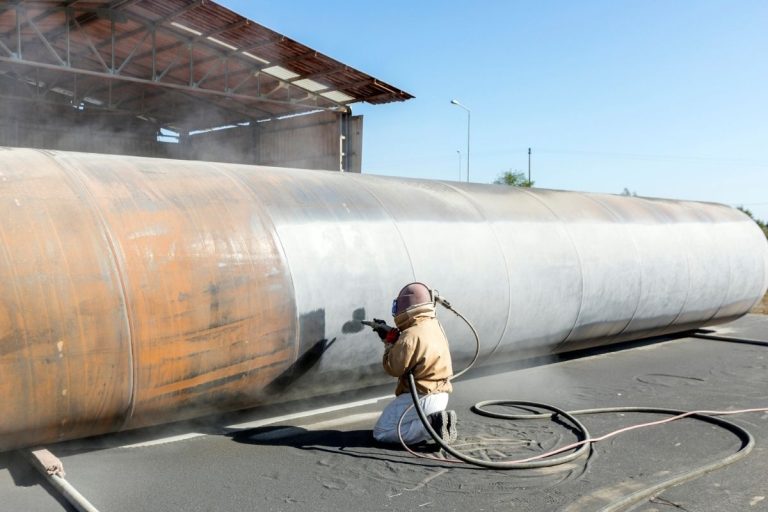
Sandblasting is a method that uses a high-pressure stream of abrasive material (traditionally sand, though other media like glass beads, steel grit, or walnut shells can also be used) to clean or prepare surfaces. The abrasive material is propelled onto a surface using compressed air, where it strips away dirt, paint, rust, and other contaminants.
Sandblasting is commonly used for cleaning and roughening surfaces in preparation for coating or painting. It is widely applied in industrial settings, metalworking, construction, and shipyards, as well as for cleaning large structures like bridges, tanks, and pipelines.
How Does Sandblasting Work?
The sandblasting process involves a few essential components:
- Abrasive Material: The type of abrasive used in sandblasting depends on the surface being cleaned. Sand is no longer commonly used due to health risks, but alternatives like glass beads, steel grit, aluminum oxide, and even organic materials like walnut shells or corn cobs are used.
- Compressor: A powerful compressor is used to generate a stream of compressed air, which propels the abrasive material onto the surface at high speed.
- Blasting Nozzle: The abrasive material is directed through a nozzle toward the surface, allowing for precise control over the area being treated.
- Protective Equipment: Sandblasting generates a significant amount of dust and debris, so operators need to wear protective equipment like helmets, goggles, gloves, and respiratory masks to ensure safety.
The high-speed impact of the abrasive material scrapes away the contaminants, creating a roughened surface that is ideal for applying paints, coatings, or sealants. This rough texture allows for better adhesion, resulting in more durable and long-lasting finishes.
When is Sandblasting the Right Solution for Surface Preparation?
While sandblasting is highly effective, it isn’t a one-size-fits-all solution. Let’s take a closer look at when sandblasting is the best choice for your surface preparation needs.
1. Preparing Metal Surfaces for Painting or Coating
Sandblasting is one of the most common methods used to prepare metal surfaces for painting or coating. Metals like steel, aluminum, and iron often require the removal of rust, old paint, and other contaminants before a new layer of paint or protective coating can be applied. The rough texture created by sandblasting helps the new coating adhere better to the metal, resulting in a stronger bond and longer-lasting finish.
Why Sandblasting Works Best:
- Effective Rust Removal: Rust and corrosion can severely damage metal surfaces if not properly treated. Sandblasting effectively removes all traces of rust, leaving a clean surface for new coatings.
- Improved Adhesion: The rough surface created by sandblasting helps paint and coatings adhere better, ensuring durability and preventing future peeling or chipping.
- Versatile Media Options: Depending on the type of metal and the level of aggressiveness required, different abrasive media can be chosen to tailor the sandblasting process for optimal results.
Ideal Applications:
- Industrial equipment and machinery
- Metal fences, railings, and gates
- Structural steel in bridges and buildings
- Automotive and aerospace parts
- Pipes, tanks, and marine vessels
2. Removing Old Paint and Coatings
When repainting or recoating surfaces, it’s essential to remove the old layer of paint or coating to ensure proper adhesion of the new material. Sandblasting is a fast and efficient way to strip away multiple layers of old paint, varnish, or coatings, particularly on large surfaces or areas with hard-to-reach spots.
Why Sandblasting Works Best:
- Speed and Efficiency: Sandblasting can quickly remove layers of old paint and coatings, which would otherwise take a significant amount of time if done manually.
- Comprehensive Coverage: The pressurized nature of sandblasting allows it to reach corners, crevices, and irregular surfaces that are difficult to clean by hand or with other methods.
- Surface Refinement: As the old paint or coating is removed, the surface is simultaneously roughened, making it ready for the new application in one step.
Ideal Applications:
- Industrial tanks and silos
- Vehicles and heavy machinery
- Old buildings with chipped or peeling paint
- Painted metal structures in construction or manufacturing
3. Restoring and Cleaning Weathered or Corroded Surfaces
Sandblasting is commonly used to restore old, weathered, or corroded surfaces, particularly those that have been exposed to the elements for long periods. Metal structures, concrete walls, and even stone or brick can accumulate layers of grime, corrosion, and pollution over time. Sandblasting effectively removes these contaminants and restores surfaces to their original condition.
Why Sandblasting Works Best:
- Deep Cleaning: Sandblasting penetrates deeply into the surface to remove dirt, rust, corrosion, and other contaminants, restoring the material’s appearance and structural integrity.
- Restores Original Texture: Sandblasting can strip away years of accumulated grime and pollution, revealing the original surface texture of the material beneath.
- Non-Chemical Method: It doesn’t rely on harsh chemicals for cleaning, making it an environmentally friendly option for many projects.
Ideal Applications:
- Concrete and brick buildings
- Industrial machinery exposed to the elements
- Rusted metal fences and railings
- Weathered monuments and statues
4. Preparing Concrete Surfaces
Concrete surfaces are commonly prepared using sandblasting, especially before sealing, coating, or applying adhesives. For construction and renovation projects, sandblasting can remove old sealants, oils, or other contaminants, and create a rough surface that provides better adhesion for new coatings.
Why Sandblasting Works Best:
- Creates Surface Roughness: Concrete often needs a textured surface to ensure proper bonding of adhesives, coatings, or overlays. Sandblasting creates the right level of roughness to support these applications.
- Removes Surface Contaminants: Oils, grime, and old sealants can inhibit the bonding of new materials. Sandblasting effectively removes these contaminants, leaving the surface ready for new work.
- Efficient and Time-Saving: For large concrete surfaces, sandblasting is far quicker than manual preparation methods, saving time and labor costs.
Ideal Applications:
- Concrete floors in warehouses or garages
- Bridges, dams, and other concrete structures
- Concrete walls in commercial buildings
- Roads and pavements before resurfacing
Benefits of Sandblasting for Surface Preparation
Sandblasting has several advantages when used for surface preparation, particularly in industrial settings. Here are some of the key benefits:
1. Highly Effective Surface Cleaning
One of the primary reasons sandblasting is chosen for surface preparation is its effectiveness in removing dirt, rust, paint, and other contaminants. It’s particularly good for preparing surfaces that are heavily corroded or have layers of old coatings that need to be removed.
2. Improves Adhesion of Coatings
The rough texture created by sandblasting provides a better surface for coatings, sealants, and paints to adhere to. This improves the durability and longevity of the new coating, reducing the chances of peeling, chipping, or corrosion in the future.
3. Fast and Efficient
Sandblasting is much faster than manual methods, especially when preparing large surfaces. For projects that require quick turnaround times, sandblasting can significantly reduce the time spent on surface preparation.
4. Environmentally Friendly Options
Although traditional sandblasting using silica sand has fallen out of favor due to health concerns, modern alternatives like glass beads, steel grit, or organic abrasives (e.g., walnut shells) provide environmentally friendly options. These alternative media are non-toxic and can often be reused, making them a more sustainable choice.
Drawbacks of Sandblasting
While sandblasting is highly effective, it’s not always the best solution for every project. Here are some potential drawbacks to consider:
1. Dust and Residual Waste
Sandblasting generates a significant amount of dust and debris, particularly when using abrasive materials like sand, steel grit, or glass beads. This dust can pose health risks if not properly managed, and the debris needs to be cleaned up after the process. Dust collection systems are often required, adding to the overall cost and complexity of the project.
2. Potential for Surface Damage
Because sandblasting is an abrasive process, there is a risk of damaging the surface being cleaned if not done carefully. For softer materials or delicate surfaces, sandblasting may be too aggressive, causing scratches or etching.
3. Health and Safety Concerns
Without proper safety measures, sandblasting can be hazardous. Inhalation of dust and fine particles (especially silica) can cause respiratory problems, while improper handling of the equipment can result in injuries. It’s essential that operators wear protective gear and use appropriate safety equipment to mitigate these risks.
Alternatives to Sandblasting
In cases where sandblasting isn’t the best option, other methods of surface preparation may be more suitable:
- Ice Blasting: A non-abrasive method that uses dry ice pellets to clean surfaces without leaving any residue or secondary waste. Ideal for sensitive surfaces or areas where environmental concerns are important.
- Chemical Stripping: Uses solvents or chemicals to remove old coatings or contaminants. This is often used for smaller surfaces or delicate materials where abrasive blasting could cause damage.
- Water Jetting: High-pressure water is used to clean surfaces without abrasive materials. This is an effective method for cleaning delicate surfaces or areas where dust and debris would be problematic.
Conclusion: Is Sandblasting Right for Your Project?
Sandblasting is an incredibly versatile and effective method for surface preparation, especially for removing rust, old coatings, and contaminants from metal, concrete, and industrial surfaces. It excels in creating a rough texture for better coating adhesion and can handle large-scale projects efficiently. However, it’s important to consider the potential drawbacks, such as dust generation and the risk of surface damage.
If your project involves preparing metal, concrete, or other hard surfaces for painting or coating, sandblasting is likely the right solution. However, for more delicate surfaces or environments with strict cleanliness requirements, alternative methods like ice blasting or chemical stripping may be better suited.
At MKCPL, we specialize in sandblasting and other surface preparation techniques tailored to your specific project needs. Contact us today to learn more about how we can help prepare your surfaces for optimal performance and longevity.


